


Cervical osteochondrosis is a serious disease.It is associated with the destruction of the intervertebral plates, as well as bone and cartilage tissue.The disease may be accompanied by dizziness, nausea, numbness of the extremities and other symptoms.Similar symptoms occur due to a violation of the structure of the spine.The pulp (the inner part or nucleus) emerges from the annulus fibrosus and begins to compress the nerve endings.As a result, severe pain occurs in the damaged area.
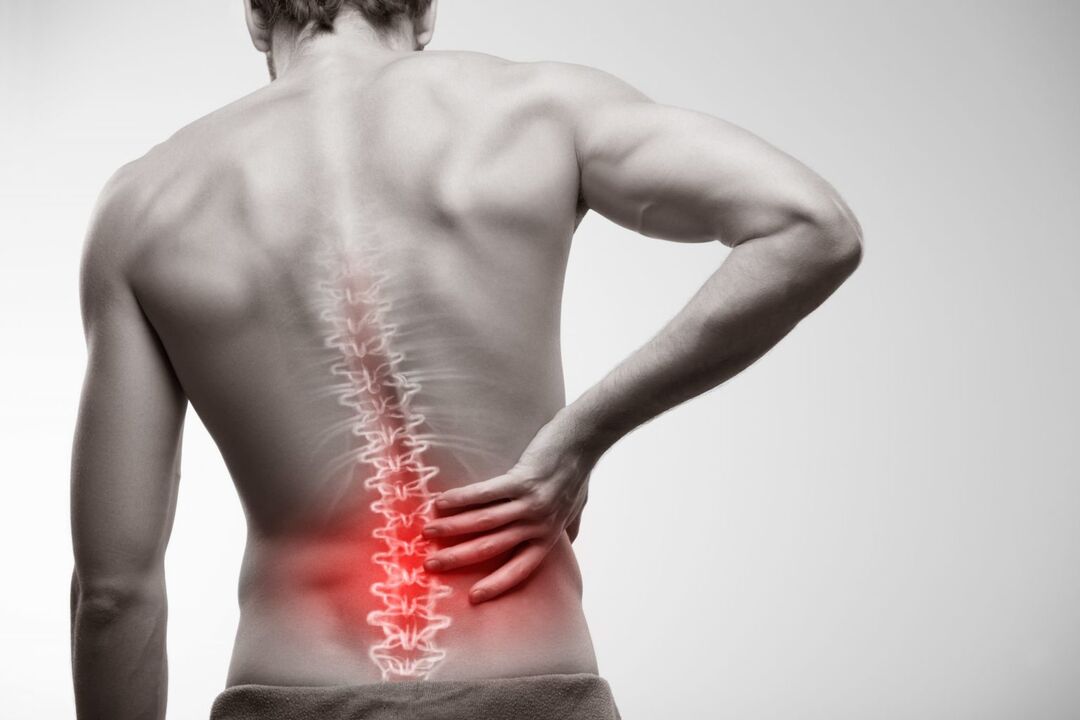
Doctors call osteochondrosis the disease of the century.This is true.It's no secret that those who lead a sedentary lifestyle suffer from cervical osteochondrosis.
Nowadays, thanks to many modern technologies and innovations, people have started moving less and sitting a lot.This is especially true for teenagers who love to spend time in front of the computer.They are the most susceptible to this disease.Also affected are office workers, drivers and elderly people who can no longer move as actively as before.
Signs of spinal osteochondrosis in men.
They say that men feel much more pain than women.This is true, however, in the case of osteochondrosis, the representatives of the stronger sex have an advantage.Thanks to the developed muscle mass, the spine is more reliably protected against overload and premature destruction.Developed muscles serve as a good frame.
Determining the disease of osteochondrosis in men is not a big problem.In this case, the following symptoms of the disease appear:
- Pain.In the first stage, painful sensations usually appear only in the damaged part of the spine.They then extend to the shoulders, arms and neck;
- Low sensitivity in the neck, shoulders and arms.This reaction is explained by the fact that the nerve that is responsible for the level of sensitivity of the extremities (fingers) is affected;
- Weakness in the arms.The pinched nerve that controls the work of the hands can no longer help perform necessary manual actions.Over time, a person may begin to need help from outside people;
- Cracking in the cervical region and limitation of movement.This phenomenon usually occurs already in the advanced stage of cervical osteochondrosis.This occurs due to the proliferation of bone tissue (osteophytes).The overgrown tissues are then gradually worn away by moving the head, which over time can even lead to disability;
- Dizziness and lack of coordination.This occurs due to poor functioning of the cerebral vessels, which cannot supply enough oxygen;
- Dullness or complete loss of hearing, vision, numbness of the tongue.It occurs due to poor blood supply;
- Sensation of a lump in the throat.Men are often afraid of suffocation.
Of course, to avoid these or other more complex health problems, it is best not to hesitate and consult a doctor at the first signs of osteochondrosis.
Signs of osteochondrosis in women
The structure of the female spine is somewhat different from that of the male.In women, the intervertebral plates are more fragile and weak.They have not built muscle mass and therefore succumb to destruction much more quickly.The symptoms of osteochondrosis in the beautiful half of humanity are more pronounced, the process is very noticeable.As a rule, the disease manifests itself in the early stages.
The disease is characterized by:
- headaches, migraines;
- severe spasms in the neck;
- numbness of extremities (hands), tongue;
- impaired coordination;
- nausea;
- the appearance of snoring;
- toothache;
- decreased hearing, vision;
- heaviness in the head;
- tinnitus;
- cephalic incontinence (you even have to use a frame);
- fainting.
To avoid many of the listed symptoms, it is important to consult a specialist doctor in a timely manner.Doctors often recommend that women do gymnastic exercises to increase the muscles that will support the spine.The main thing is that you must do it very carefully.At the stage of exacerbation of the disease, it is better to refrain from putting pressure on the neck.
Atypical signs and symptoms of osteochondrosis.
Atypical or non-standard signs of osteochondrosis include those symptoms that are difficult to recognize and understand that are caused specifically by osteochondrosis.
For example, such symptoms include:
- weakness in the legs;
- elbow pain;
- heartache;
- irritability;
- sudden mood changes;
- increased fatigue;
- sleep disorder (insomnia);
- memory problems;
- vomit;
- nausea;
- unreasonable fear (panic attacks);
- intense sweating;
- loss of strength;
- sudden increases in pressure;
- decreased appetite.
Experiencing such symptoms, few people may immediately think that their osteochondrosis has begun to progress.Often, on the contrary, people try to cure the symptoms of the disease on their own, but do not treat what is necessary.This self-therapy can only worsen the patient's condition.
In such situations, it is necessary to consult a specialist doctor.With the help of a doctor, the patient will be able to know the specific cause of their ailments and then be treated correctly and consistently.
Although osteochondrosis cannot be completely cured, you can maintain it without allowing the disease to progress.This will help avoid dangerous consequences and aggravations!It is better to start fighting this enemy as soon as possible!